Free Dyslexia Test: Your Comprehensive Guide to Modern Screeners
- 7 January 2026

Understanding Dyslexia and Why Early Clues Matter
Dyslexia is a neurodevelopmental difference that influences how the brain processes written language, phonological patterns, and rapid naming. People with this profile can think brilliantly in images, systems, and stories, yet hit persistent snags when decoding print or spelling under time pressure. The earlier families and educators notice subtle markers, the faster tailored support can align instruction with a learner’s strengths. That means watching not only reading accuracy but also rhythm, working memory, and how stress changes performance on language tasks.
When you begin to explore practical next steps, it helps to separate quick indicators from formal diagnosis and to set healthy expectations about what each pathway can reveal. For a low‑stakes snapshot that informs conversation with teachers, many households start with a free dyslexia test on a reputable platform to spot patterns in phonological awareness and rapid decoding.
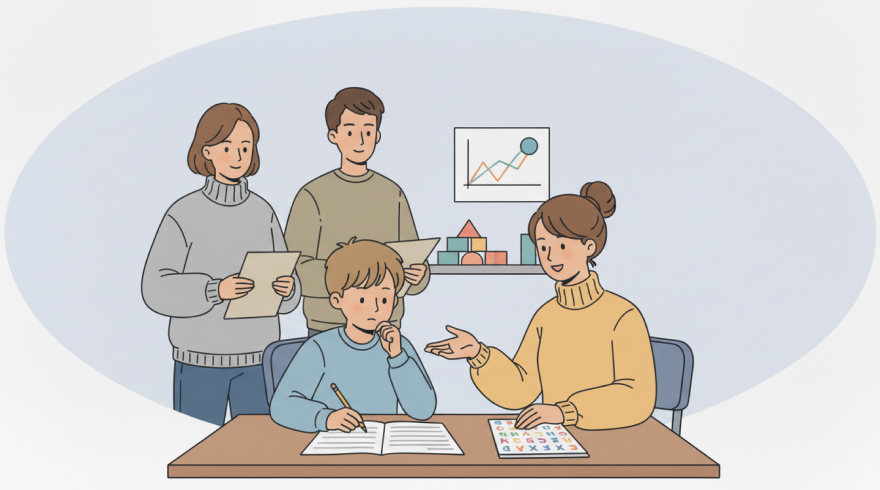
Caregivers often observe early signs long before a full evaluation is available, such as letter reversals that persist past the typical window or difficulty retrieving simple words under pressure. Parents frequently look for resources like a free online dyslexia test children can complete in minutes during a calm afternoon, allowing them to capture observations while they’re still fresh.
- Common signals include slow, effortful reading despite high oral language skills.
- Spelling that looks variable from line to line, especially with vowel patterns.
- Family history of reading challenges combined with outstanding problem solving.
- Marked fatigue after short reading tasks compared with math or building tasks.
- Uneven test results that swing with time limits or noise in the room.
What Quick Screeners Can and Cannot Tell You
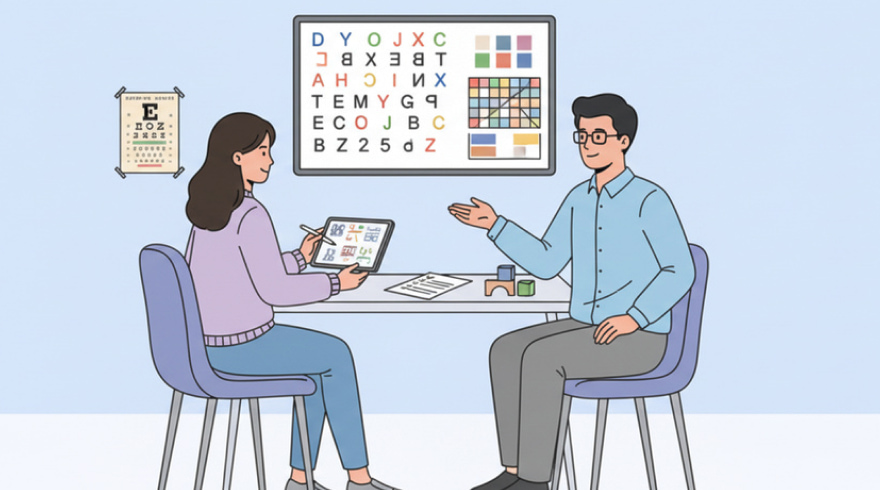
Brief, research‑informed questionnaires and timed tasks can surface risk indicators and illuminate which skills deserve targeted practice. These tools are best viewed as signposts, not verdicts, because they examine a narrow slice of cognition and depend on the test‑taker’s focus, device quality, and instructions. They are excellent for triage, tracking growth, and guiding a conversation with school teams about appropriate supports.
Many platforms design age‑appropriate pathways so families can try a gentle set of activities before deciding whether to pursue a comprehensive evaluation. In that spirit, you might see options labeled as a free dyslexia test kids could complete with headphones, short stories, and interactive phoneme tasks, making the experience approachable without overtaxing attention.
Educators also use brief metrics to group learners for intervention blocks and to monitor response to instruction. For independent exploration at home, some sites curate a free online dyslexia test that mixes rapid naming, working memory probes, and decoding checks, then presents clear explanations rather than cryptic scores.
| Tool type | What it shows | What it doesn’t show | Best use |
|---|---|---|---|
| Self‑guided screener | Risk patterns in phonological processing, accuracy, and fluency | Medical diagnosis, co‑occurring conditions, accommodations eligibility | Early triage and planning targeted practice |
| School‑based universal check | Benchmark standing vs. peers and growth over time | Full cognitive profile or individualized intervention plan | Placement in tiered support and progress monitoring |
| Comprehensive evaluation | Deep profile across language, memory, and processing speed | Instant classroom changes without implementation planning | Formal identification and accommodations roadmap |
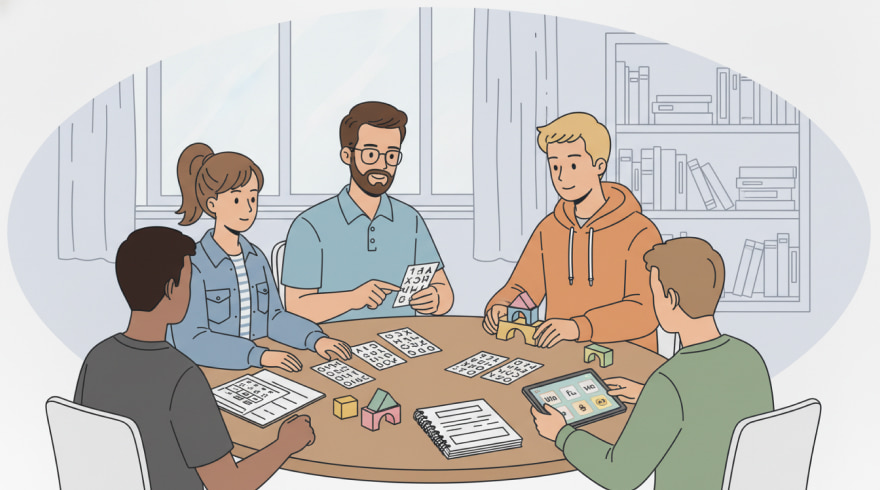
- Use screeners to decide where to focus instruction while waiting for formal appointments.
- Pair results with teacher observations to avoid over‑ or under‑estimating difficulty.
- Re‑check skills after 8–12 weeks to confirm that targeted instruction is working.
How to Prepare and Take an Online Screener
Preparation improves reliability because small distractions can distort timing measures and make decoding appear weaker than it is. Choose a quiet corner, silence alerts, and set a gentle time window so no one feels rushed. Read the instructions aloud for younger learners, and do a quick mic or speaker check if the activity includes letter‑sound tasks or short stories narrated by audio.
After setting the scene, gather simple aids like scrap paper, a glass of water, and comfortable headphones to reduce fatigue. Many nonprofits and universities host a dyslexia free online test that provides immediate feedback plus plain‑language explanations you can share with teachers or tutors.
A calm mindset helps too, so consider a stretch break and a rehearsal item or two before the real activity begins. If you prefer structured guidance, another route is a free test dyslexia online providers publish with step‑by‑step prompts and pause options, reducing the chance that stress will overshadow actual skill.
- Block 15–25 minutes for younger learners; older students may need a bit longer.
- Use the same device for retakes to keep timing comparisons consistent.
- Log results in a simple journal so you can spot trends across the year.
- Follow any recommendation to consult educators for layered support.
Interpreting Results and Planning Next Steps
Scores from brief screeners map to skills, not labels, so start by locating which micro‑skills flagged as vulnerable: phoneme blending, rapid naming, accuracy under time, or spelling generalization. Then match interventions to those signals, such as systematic phonics for decoding or structured practice for multisyllabic words. Pair data with classroom observations and writing samples to avoid drawing conclusions from a single snapshot taken on a tired afternoon.
Adults who suspect long‑standing reading hurdles can also benefit from a gentle first check to inform coaching or workplace accommodations. For that audience, many organizations curate a free dyslexia test adults designed with mature content and scenarios that respect life experience while probing the same core language processes.
Short tools are great at signaling probability, yet they are not substitutes for an expert‑led evaluation when educational decisions hinge on the data. When risk indicators appear consistently across tasks, a practical path is to share the output from a free dyslexia screener with your school’s special education team or a licensed clinician to determine whether a comprehensive assessment is warranted.
- Use plain‑language summaries to advocate for evidence‑based reading instruction.
- Track growth after targeted practice to verify that instruction matches needs.
- Seek evaluation if access to accommodations or legal protections is necessary.
Benefits Across Age Groups and Learning Contexts
Quick, accessible tools remove friction so families and educators can act sooner rather than later. Catching patterns early supports confidence, reduces frustration, and helps tailor instruction to the learner’s profile. The same approach also serves multilingual students and twice‑exceptional learners by highlighting strengths alongside challenges, guiding differentiated instruction that respects the whole person.
For school‑age learners, no‑cost screeners open doors when budgets or waitlists block immediate access to specialists. Some portals even highlight their offering with a label like a dyslexia test free, signaling that families can collect useful insights without committing to a paid service before they’re ready.
Working students and professionals deserve the same clarity so they can leverage strengths and adopt efficient strategies for dense reading, note‑taking, and time management. If financial constraints are present, a dyslexia online test free serves as a practical on‑ramp to coaching, workplace tools, and a conversation with a clinician if persistent difficulties remain.
- Early indicators guide instruction before frustration undermines motivation.
- Data‑informed tweaks (fonts, spacing, audio support) can improve day‑one access.
- Clear next steps reduce the stress of not knowing where to begin.
- Progress tracking builds momentum and celebrates measurable growth.
Faq: Practical Answers About Quick Dyslexia Checks
Are short screeners accurate enough to rely on?
They are reliable at flagging risk patterns, especially when combined with teacher observations and writing samples, but they do not assign medical diagnoses. Consider them decision aids that point toward targeted instruction or a fuller evaluation if red flags cluster across multiple tasks and contexts.
Do these tools replace a full evaluation?
No, brief tasks complement but do not replace a comprehensive battery led by a qualified professional. For complex cases or when legal accommodations are needed, remember that a dyslexia assessment online free provides helpful indicators while you arrange a full, in‑depth evaluation to secure formal documentation.
What should I do if results show elevated risk?
Share the summary with your school’s reading specialist or a literacy tutor who uses structured, evidence‑based methods. Ask for interventions matched to the flagged skills and schedule a follow‑up measure after several weeks to make sure the plan is working and motivation stays high.
Can adults benefit from these resources?
Absolutely, because the underlying language processes are consistent across the lifespan, though the content should be age‑appropriate. Many adults use an initial snapshot to guide strategy coaching, choose supportive tools, and decide whether a comprehensive evaluation would improve access to accommodations at work or university.
Where can I find trustworthy options?
Look for tools created or vetted by universities, hospitals, or literacy nonprofits, and read how they describe the constructs being measured. Before booking a formal appointment, you might explore a dyslexia test online free from a respected source to gather preliminary indicators and helpful language for conversations with educators or clinicians.