Adult Dyslexia Screening and Assessment: A Comprehensive Guide for Confident Next Steps
- 5 January 2026

Understanding Adult Dyslexia and Why Getting Tested Matters
Many bright, capable adults quietly battle reading fatigue, slow decoding, and tangled spelling that never felt fully addressed in school. Patterns like rereading the same line, difficulty recalling sequences such as steps or codes, and avoiding dense documents can erode confidence and productivity over time. Many people only seek a dyslexia test adults after years of creating elaborate workarounds. Some notice the strain most during career changes, graduate studies, or when their children begin learning to read, which shines a light on familiar struggles. Others recognize that long-standing issues with phonological processing and rapid naming are still present despite strong reasoning and creativity.
When literacy hurdles persist into professional life, clarity brings relief and practical direction. Some clinics and universities offer services that test dyslexia in adults through structured, evidence-based screenings that flag risk and point to formal evaluation. Beyond labels, a nuanced profile illuminates strengths, such as visual-spatial thinking and problem-solving, alongside specific bottlenecks like working-memory load while reading technical prose.
You might start with an adult dyslexia test that screens reading accuracy, rate, and phonological awareness before moving to a full evaluation if warranted. A well-informed approach emphasizes functional outcomes: smoother workflows, targeted tools, and accommodations that let you demonstrate knowledge without bottlenecks. Rather than forcing a one-size-fits-all remedy, modern assessments focus on a personalized roadmap that respects your goals, timeline, and budget.
- Common adult signs: poor spelling, misreading small function words, or skipping lines.
- Hidden impacts: reduced reading stamina, slower note-taking, and anxiety around documentation.
- Potential strengths: pattern recognition, verbal reasoning, and big-picture planning.
- Motivations for testing: career advancement, licensing exams, or returning to education.
How Adult Dyslexia Testing Works: Steps, Tools, and What to Expect
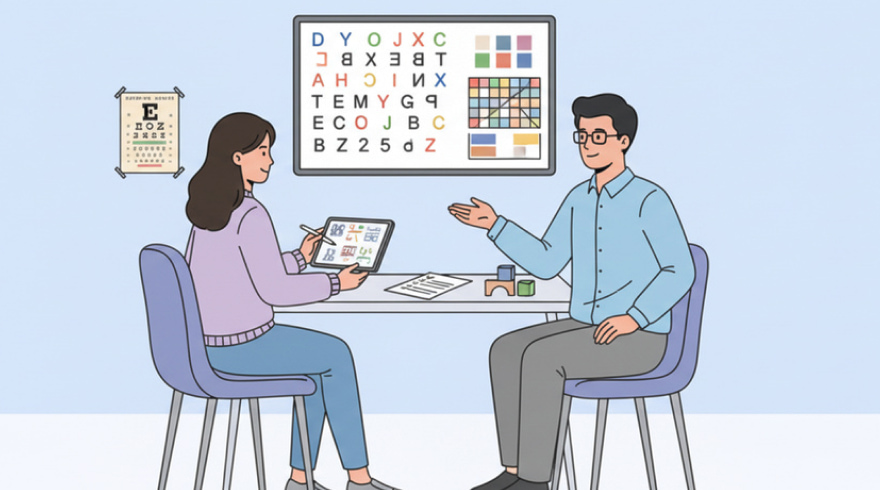
Quality screening and evaluation weave together interviews, standardized measures, and real-world samples like emails, notes, or slide decks. A well-designed battery for testing adults dyslexia blends clinical insight with norm-referenced data to distinguish reading-specific needs from attention, language, or vision issues. You can expect a conversational intake, followed by testing of decoding, fluency, comprehension, phonological processing, and memory, plus a feedback session that turns numbers into tangible strategies.
Short screeners marketed as a free dyslexia test adults can help you decide whether to pursue a full evaluation, though they are not definitive. Only licensed clinicians can legally diagnose dyslexia adults, and they do so by integrating test performance with developmental history, educational context, and daily demands. Timelines vary, but many adults complete testing within a few hours across one or two sessions, with a written report delivered shortly after feedback.
| Assessment Component | What It Clarifies | Approximate Duration |
|---|---|---|
| Clinical Interview | History, goals, lived impacts, and co-occurring concerns | 30–45 minutes |
| Reading and Spelling Measures | Accuracy, rate, decoding patterns, and orthographic mapping | 40–60 minutes |
| Phonological Processing | Phonemic awareness, rapid naming, and working-memory load | 20–35 minutes |
| Comprehension Tasks | Meaning-making at sentence and passage levels | 20–30 minutes |
| Feedback and Next Steps | Results interpreted, accommodations, and action plan | 30–45 minutes |
Preparation is simple: bring prior reports if available, list your reading challenges, and gather real samples of demanding tasks. You’ll get more value if you note where reading breaks down, small words, multisyllabic terms, or timed passages, so recommendations are precise. Expect a collaborative, judgment-free process aimed at translating data into everyday wins, like more efficient study methods, assistive tech setups, and workflow tweaks.
- Ask for a plain-language summary you can share with supervisors or disability services.
- Request clear accommodation wording for testing agencies or human resources.
- Clarify retesting policies and whether progress check-ins are available.
The Benefits: From Clarity to Accommodations and Real-World Performance
Reliable results do more than name a challenge, they unlock tailored strategies that reduce friction at work and in learning settings. Workplaces increasingly recognize that dyslexia testing adults supports equitable hiring and advancement by aligning tasks with individuals’ strengths. With accurate documentation, you can request adjustments that reduce unnecessary barriers without changing essential job functions. For students and professionals alike, the right accommodations preserve energy for higher-order thinking rather than decoding hurdles.
Funding options sometimes offset the cost of a full dyslexia assessment adults, especially for continuing education or workforce development programs. Technology also expands capacity: text-to-speech for dense articles, speech recognition for drafting, and smart note-taking for meetings packed with jargon. By matching needs to solutions, small changes cascade into measurable gains, higher reading stamina, fewer errors in written work, and more consistent deadlines. Clear recommendations further guide tutors or coaches who specialize in adult literacy, ensuring practice targets the right skills at the right intensity.
- Possible accommodations: extended time, alternative formats, or reduced-distraction environments.
- Assistive technology: high-quality TTS voices, OCR apps, and custom dictionaries.
- Skill-building: advanced phonics for multisyllabic decoding and morphology study.
- Performance habits: batching complex reading, strategic breaks, and previewing vocabulary.
Choosing an Evaluator and Making Sense of Your Report
Selecting a qualified professional safeguards accuracy and ensures your results are accepted by schools, licensing boards, or employers. Before booking, review what a comprehensive dyslexia evaluation adults should include, from detailed background history to differential diagnosis and actionable recommendations. Look for training in learning disorders, familiarity with adult profiles, and experience writing reports that agencies recognize. Ask how they tailor interpretations for multilingual adults, remote workers, or professionals in highly technical fields.
Ethical practitioners spend time assessing dyslexia adults by triangulating test data with lived experience and day-to-day demands. A strong report goes beyond scores, mapping patterns to real tasks like drafting briefs, reading schematics, or managing documentation systems. You should see clear links between findings and recommended tools, with concrete examples that make adoption straightforward. If attention or language concerns overlap, the clinician should explain how they differentiated contributing factors.
Ask about the scope and length of an adult dyslexia assessment so you understand timelines, deliverables, and follow-up options. Clarify whether your package includes a debrief, accommodation letters, and a summary for stakeholders. If your needs evolve, say you begin a certification program, request an addendum that aligns supports to new requirements. Quality assessment is not only a snapshot; it’s a springboard you can revisit as your responsibilities and goals change.
- Verify credentials, licensure, and familiarity with adult test norms.
- Request sample reports with redacted identifying details to gauge clarity.
- Confirm acceptance by schools, test agencies, and HR departments.
- Discuss retest intervals and how to document growth over time.
Faq: Quick Answers About Adult Dyslexia Testing
How do I know if I should pursue an assessment?
If reading or writing drains energy, slows performance, or triggers avoidant habits, a structured evaluation can clarify why and how to respond. Notice whether difficulties persist across contexts, such as long emails, technical manuals, or unfamiliar vocabulary. When patterns are consistent and long-standing, testing can turn guesswork into a practical plan that respects your strengths and time.
Are online screeners accurate enough for decisions?
Short screeners can indicate risk, but they are not diagnostic and may miss nuances like co-occurring attention or language challenges. Use them as a first pass, then seek a comprehensive evaluation if results and lived experience align. Proper diagnosis relies on standardized measures, norms, and professional interpretation, not a single questionnaire.
What accommodations might help at work or school?
Common supports include extended time on timed tasks, text-to-speech for dense readings, speech recognition for drafting, and clear formatting standards for reports. These options reduce avoidable friction while preserving performance expectations. With a well-written report, you can match specific recommendations to the demands of your environment.
How can I keep costs manageable?
If you are budget-conscious, start with reputable screeners and look for a dyslexia test adults free option offered by nonprofits or libraries to gauge next steps. Ask local universities or training clinics about reduced-fee services under supervision. Some employers, unions, or vocational rehabilitation programs help fund formal evaluations when they support job performance.
What should a good report include?
Expect a clear summary, test list, score interpretations, diagnostic conclusions, and a prioritized action plan. Strong reports translate data into the real world with examples, recommended tools, and accommodation language ready for agencies or HR. You should also receive guidance for revisiting strategies as roles or coursework evolve.